My Puzzle Game Got Solved Once and Now Nobody Replays It
As someone who’s spent over a decade designing systems and writing gameplay for indie roguelikes and mid-size studios, I’ve learned that the line between predictability and variety is razor thin. Recently, I released a puzzle game that was built around randomized elements intended to keep players coming back for new challenges. But after a single player cracked the core puzzle, interest dried up. The game’s replayability, which I thought was bolstered by chance-based mechanics, suddenly vanished.
I want to break down why that happened and what every designer should consider about challenge, procedural generation, and player psychology to avoid this pitfall.
When a Puzzle Gets Solved, Replayability Dies
It may feel like a win when a player fully masters your puzzle or discovers a guaranteed winning strategy. But behind the scenes, it’s often the moment the game stops being fun for almost everyone else.
A core issue is how the game’s randomized elements actually impact the experience. If your procedural generation has no meaningful variability or boundaries, players quickly observe patterns or exploits they can control. Once the "secret sauce" is discovered, there’s nothing new to challenge them.
I’m reminded of an analysis published by Scientific American that explored how humans naturally seek patterns—even https://highstylife.com/chance-based-games-vs-strategy-games-what-is-the-real-difference/ in random sequences. Many players chase “streaks” or “lucky runs” not realizing these are cognitive illusions, but if your game inadvertently rewards belief in these streaks without real skill-based counterplay, frustration and boredom follow.
The Role of Predictability vs. Variety
True challenge comes from a balance between being predictable enough for players to learn and improve, and varied enough to keep each session fresh.
Predictability lets players form strategies, test them, and feel progress. But if every outcome is too predictable, the game becomes solved. Design your game so that no single strategy dominates, like in many successful roguelikes.
Variety prevents stagnation by forcing players to adapt. However, unbounded randomness feels unfair — like you’re just rolling the dice. The Association for Computing Machinery (ACM) has published papers stressing the importance of “procedural generation with boundaries,” where randomness is carefully constrained to maintain fairness and player agency.
Chance-Based Outcomes vs. Skill-Based Responses
One common misconception is that adding randomness automatically adds challenge and replayability. Not true. At MrQ, a platform known for integrating chance in games strategically, the key is ensuring that while roguelike design outcomes may be variable, players can still respond through skillful decisions.

If your game leans too heavily on luck, player quotes from my recent playtests tended to blame “RNG” — random number generation — as if the system was rigged instead of unclear rules being the culprit. That’s a red flag. It signals that chance is not balanced by meaningful player input.
How to Improve This Balance
- Implement controlled randomness: randomize minor elements inside fixed rules, not everything.
- Allow players to mitigate bad luck through choices and skills.
- Use procedural generation to vary context, not just raw outcomes.
- Give players incremental feedback to build expertise over time.
Pattern-Seeking and Streak Misconceptions
During playtests, I keep a notebook filled with player quotes. One common theme is how players interpret streaks or “runs” as meaningful signals about the game state, even when outcomes are independent random events.
Many games exploit this tendency to create excitement, but failing to educate or counterbalance it can cause players to feel cheated once their perceived “streaks” collapse.
Here’s the paradox: if the game’s random events are too transparent, players convince themselves they’ve mastered it and lose interest. If events seem random but “unfair,” players quit in frustration. Transparent rules plus procedural generation boundaries are vital for sustained engagement.
Sharing and Community Impact
After that pivotal moment my game was solved, the online buzz shifted. Players shared walkthroughs on Twitter and Facebook using Twitter share and Facebook share tools integrated into the game. Within days, forums and groups were flooded with spoilers making first-time players expect the solved strategy to dominate.
This social effect accelerated the drop in replayability, illustrating how critical it is to design for ongoing challenge and variety — not just individual sessions.
Lessons Learned and Final Thoughts
Issue Impact Design Principle Unbounded randomness Feels unfair, players perceive “RNG blame” Use procedural generation with clear boundaries Predictable puzzle strategies Game quickly solved, replayability plummets Balance predictability and variety Misinterpreted streaks Players lose interest or get frustrated Educate players on chance, design meaningful skill Community spoilers shared via social Accelerates player dropout post-solve Consider social dynamics; refresh game content regularlyEven without explicit prices found in the scraped article text, the cost in player engagement is clear. Games with solid randomized elements that still reward skillful responses create lasting challenge and enjoyment. Without that, no amount of procedural variety prevents the puzzle from losing its magic once fully solved.
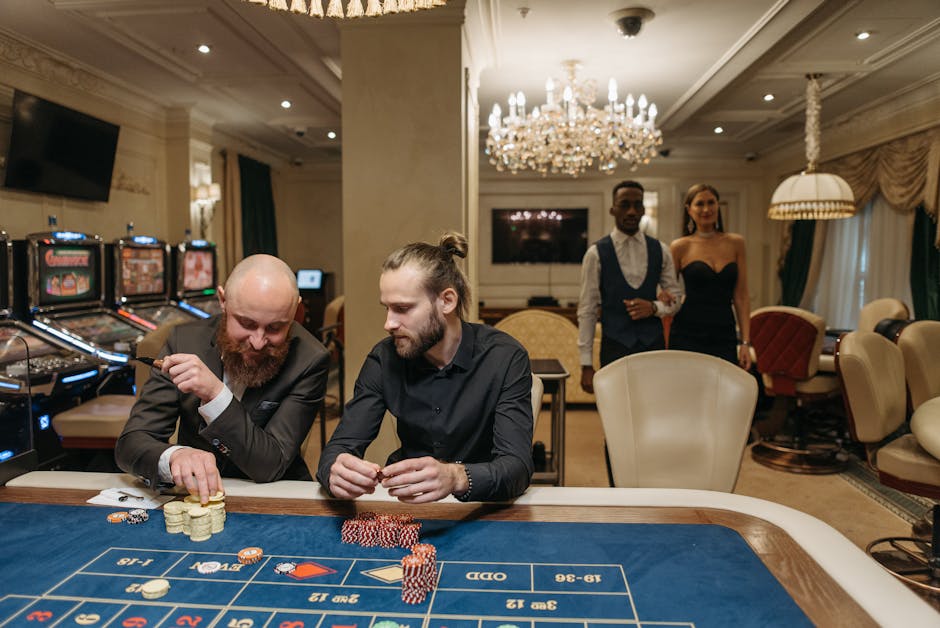
For designers and players alike, understanding this subtle difference is key. Challenge is not just about randomness — it’s about creating a dynamic system where every play feels new but fair, and skill can truly shine.