When Did Vegas Become More Than Just Gambling?
It's a question often asked by newcomers and history buffs alike: When did Las Vegas evolve from a mere gambling town into a vibrant entertainment capital? If you picture prewar Vegas as simply a dusty outpost where dice rolled freely but options were limited, you're on the right track. However, the transformation didn't happen overnight, and it certainly wasn't just about bright lights and slot machines. The vegas entertainment shift began in earnest during the 1950s, a decade that rewrote what visitors expected from a resort stay.
The Postwar Resort Boom: Building Beyond the Tables
Las Vegas’s fortunes rose sharply after World War II. This was the time when the Strip began to assert itself as more than just a high-stakes gaming corridor. According to detailed research by Smithsonian (si.edu), the 1950s marked a turning point as visionary resort operators realized that to capture visitors who came for gambling, they had to offer something more—and better.
Before the 1950s, casinos were often standalone, modest venues focused on card rooms, craps tables, and slot machines. But the workers, tourists, and entertainers coming to the region wanted a full experience. This demand prompted a construction frenzy. Resorts began popping up along the Desert Inn and Sahara corridors with an eye toward offering comprehensive amenities.
Neon Signage and Attention-Grabbing Architecture
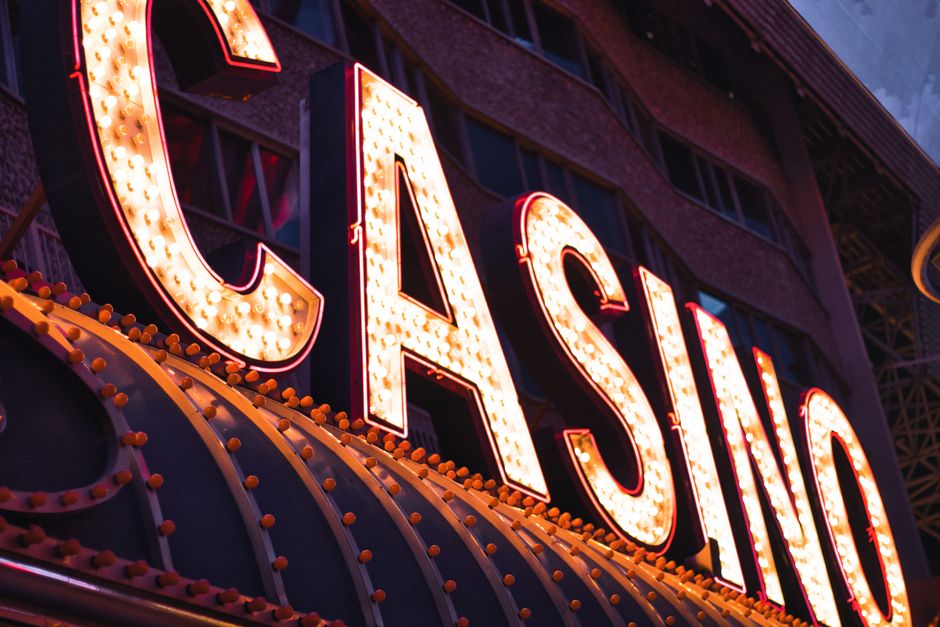
Walk down the Strip in 1952, and you'd see a stunning collage of neon signs and futuristic architecture that quickly became iconic. The lights were never just for show—they were marketing that beckoned drivers hurtling down Highway 91. This radiant signage wasn’t mere decoration. It symbolized a new Las Vegas where the resort itself was a spectacle, a kind of neon-drenched siren call to visitors.
Think of the famous Stardust Resort & Casino, which opened in 1958 featuring an expansive marquee. Or the Desert Inn, established in 1950, which pushed the idea of the Strip as an entertainment corridor by blending luxury with accessibility. Properties like these Click here for more became more than gambling halls—they were immersive environments.
Resorts as All-in-One Entertainment Ecosystems
The 1950s saw Las Vegas resorts transition from places where people only bet on blackjack to multifunctional complexes. The very notion of a “resort” expanded. Now visitors came expecting luxurious rooms, gourmet dining, swimming pools, nightlife, and, importantly, live entertainment under one roof.
This shift was strategic. Resorts like the Sands, which opened in 1952, pioneered integrated entertainment, inviting the era’s biggest stars to perform. The idea was simple: keep guests on-site, maximize their spending, and build loyalty. These properties understood that the longer a visitor stayed entertained, the more they would gamble and spend.
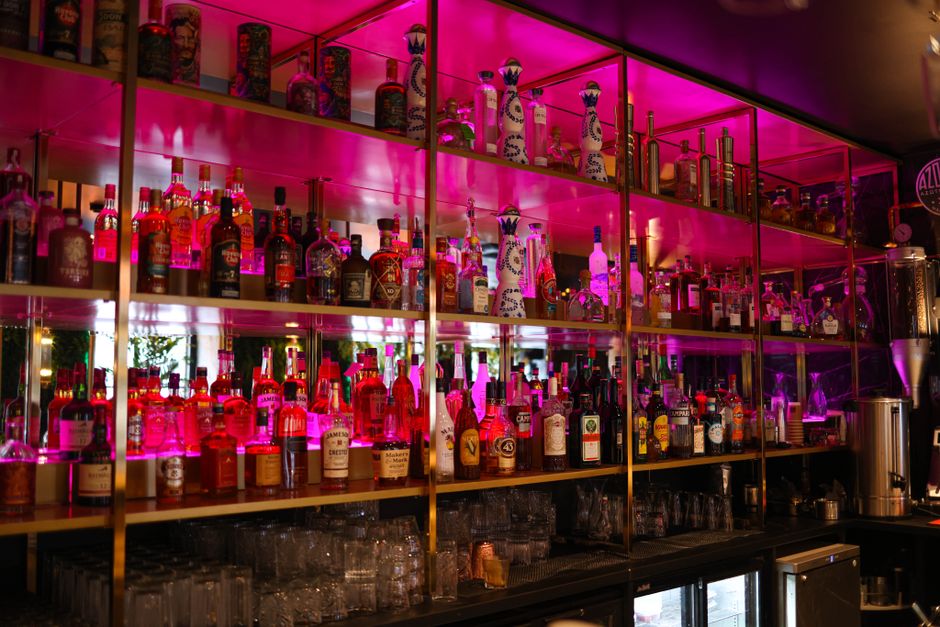
- Rooms and Spas: Upscale accommodations drew families and high rollers alike.
- Dining: From lavish buffets to fine dining, food became an attraction.
- Pools and Recreation: Outdoor pools were no longer mere conveniences; they became social hubs.
- Shopping: Boutique stores and souvenir shops opened within resort grounds.
A key point often overlooked in recountings of the era: unlike today's plentiful online listings, original promotional materials—like those found on platforms such as Fifties Web—rarely included ticket prices, room rates, or exact show schedules. The focus was on the allure of glamour and the novelty of the experience itself, not the specifics.
Showrooms and Production Shows as Major Draws
Perhaps the most influential development in the entertainment shift of the ’50s was the emphasis on live performance. The showroom era was born when producers realized that casino floors alone weren’t enough to keep guests entertained—or spending.
The Sands famously became home to the Rat Pack and productions featuring legends like Frank Sinatra, Dean Martin, and Sammy Davis Jr. Other resorts followed suit, hiring big-name acts to perform lavish, headlining shows.
These weren't small-scale affairs; they were full production spectacles with choreography, costumes, and multimedia elements that rivaled Broadway. This approach made shows a destination in themselves—drawing guests from across the country who might spend the evening enjoying entertainment before or after trying their luck at the tables.
Common Misconceptions: What Era Materials Didn’t Tell You
Many enthusiasts look back at vintage brochures or promotional items and find a frustrating lack of concrete details such as ticket prices or specific showtimes. This was not an oversight but a marketing choice.
Lodging and entertainment packages were often tailored on the spot—rates might fluctuate with demand, and live shows could vary nightly. Resorts preferred to cultivate an dean martin vegas shows atmosphere of exclusivity and surprise rather than publish fixed prices that might deter visitors. Therefore, today's historical records emphasize atmosphere and star power rather than exact costs and schedules.
For those hoping to experience that classic era’s charm, modern operators like MrQ casino attempt to meld vintage excitement with today’s clarity. They offer transparent information while harkening back through style and game selection to the days when Las Vegas first morphed from gambling outpost to entertainment capital.
Summary: The 1950s Changed Las Vegas Forever
Era Key Developments Impact on Vegas Pre-1950 Small standalone casinos, basic amenities Primarily a gambling town, limited visitor experience 1950-1960 Resort boom, neon signs, luxury rooms, showrooms Resorts became entertainment ecosystems; shows a major draw Post-1960 Expansion of entertainment types and amenities Nationally recognized as an entertainment destination beyond gamblingWithout the vision of the ’50s, Las Vegas might never have attracted the entertainment superstars and tourists who came for more than a gamble. It was then that the city proved it could be a place where guests stayed longer, played more, and most importantly, enjoyed an experience built around a full spectrum of activities.
For those interested in this transformative era, exploring archives like Fifties Web or museum resources provided by institutions like Smithsonian offers a vivid window into how Vegas became so much more than just a gambling destination.